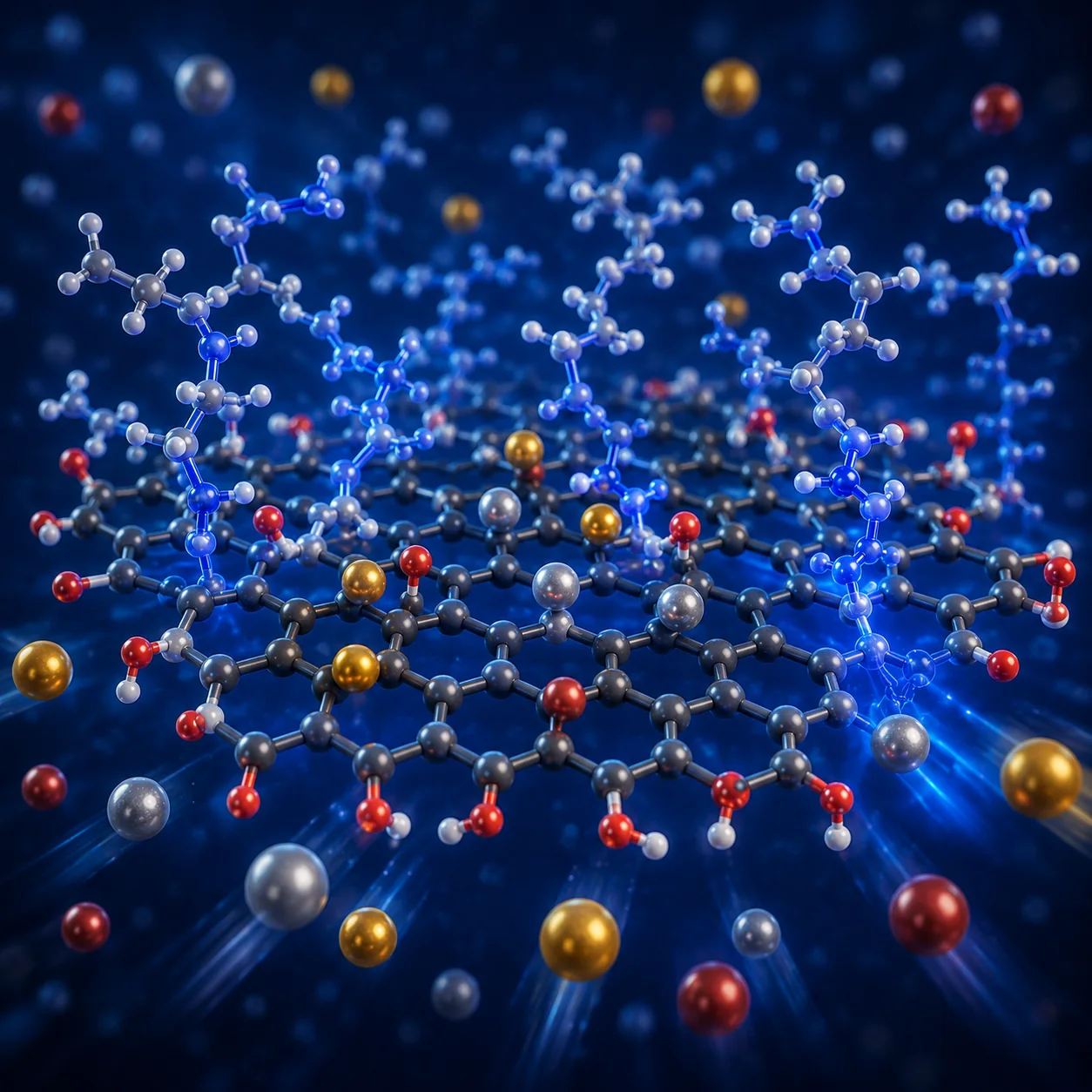
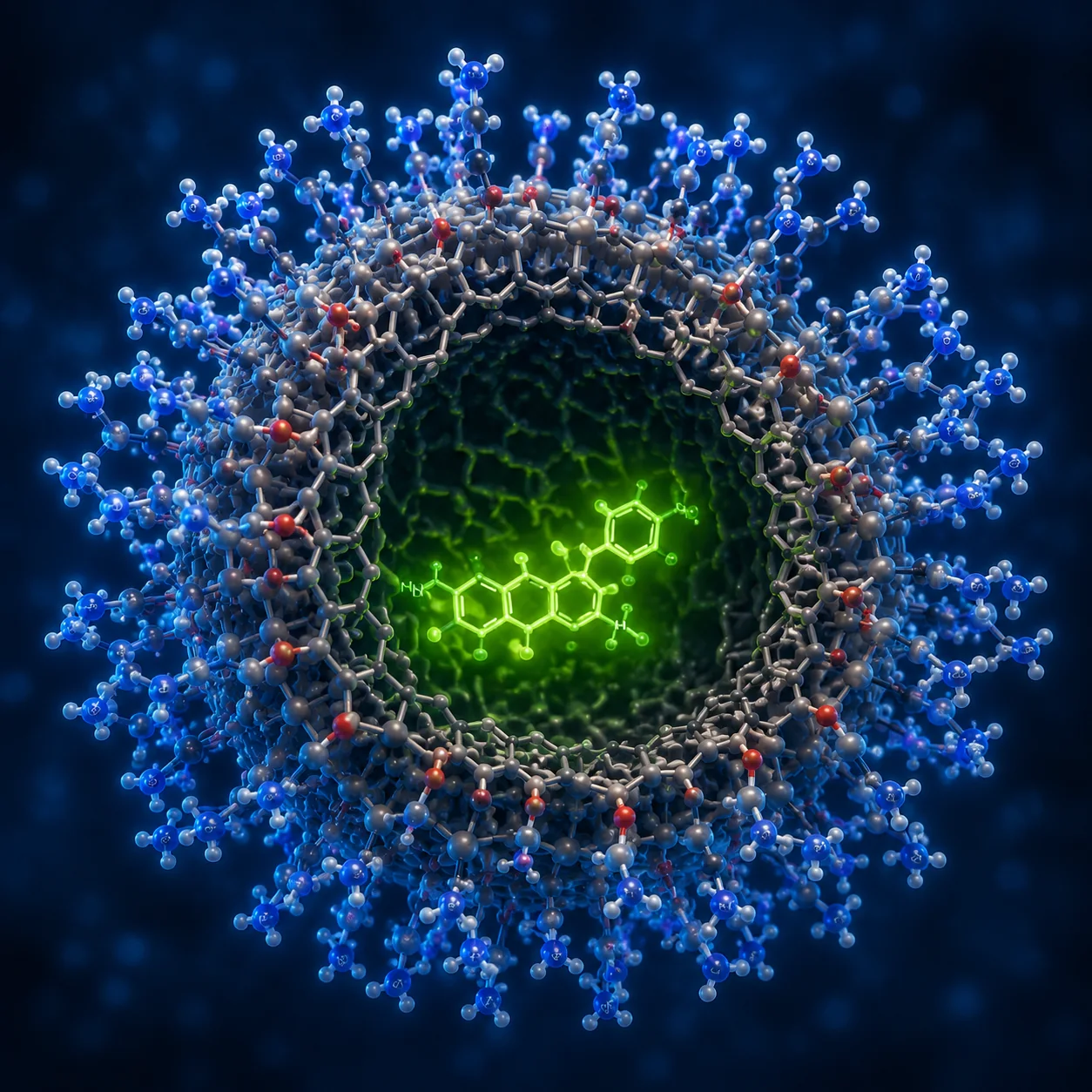
A selection of published studies in which molecular modeling clarified mechanisms, predicted measurable properties and supported the design and interpretation of experiments.

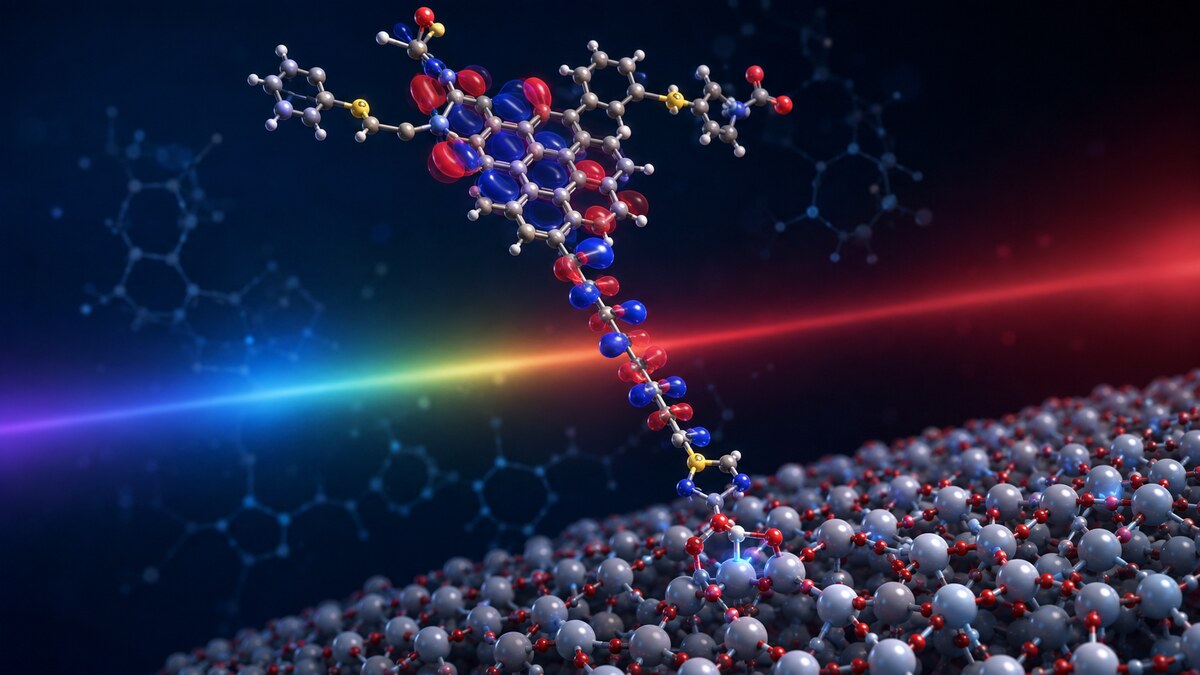
DFT and TD-DFT modeling of acene-based donor–π–acceptor dyes designed to extend light absorption into the near-infrared and improve charge injection and photovoltaic performance.

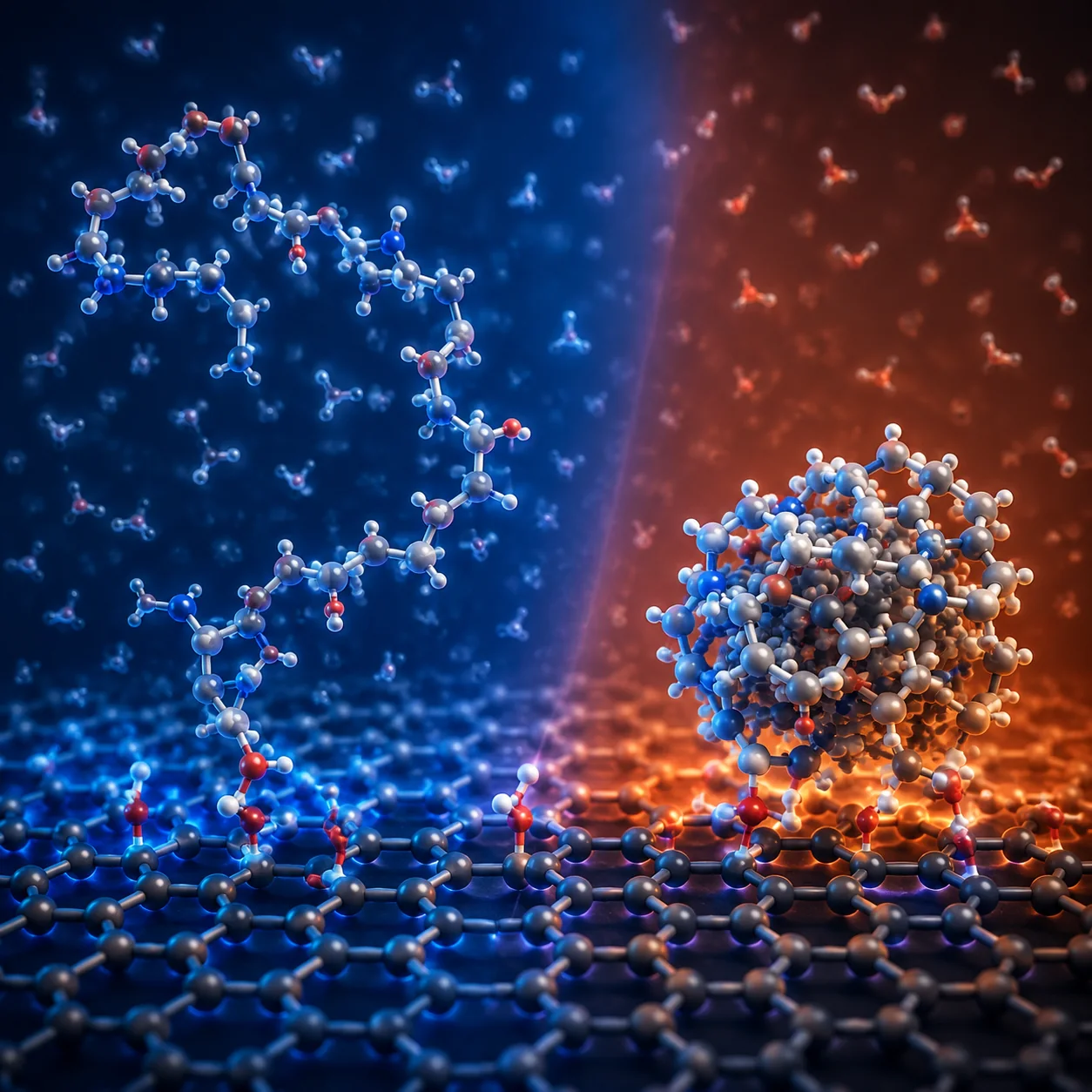
Molecular dynamics simulations of surface-bound PNIPAM revealed how hydrogen bonding and surface hydrophilicity regulate hydration, coil-to-globule transitions and the effective LCST.

Combined molecular dynamics and DFT modeling showed how functionalized graphene oxide/PNIPAM hybrids can capture Pd(II), Pb(II) and Cd(II) below the LCST and promote their release after thermal collapse.

DFT calculations supported crystallographic and spectroscopic evidence, explaining the electronic and geometric factors responsible for selective O-demethylation at a Cu(II) center.

Molecular modeling clarified the host–guest interactions that stabilize Coumarin 6 inside choline-functionalized calixarene assemblies developed for selective tumor-cell imaging and photoinduced toxicity.

Molecular simulations investigated the temperature-dependent stability and organization of pentacene-loaded carbon nanodots supporting red-light-triggered photothermal and photosensitizing behavior.
We work with you to identify the appropriate combination of methods and tools for your scientific or industrial problem.