Research

Computational modeling to understand, predict and guide molecular and materials behavior.

Our research integrates electronic-structure calculations, molecular dynamics and materials modeling to investigate structure–property relationships, molecular interactions and functional behavior. Computational results are developed into experimentally testable predictions and progressively validated against available evidence.

Computational investigation of molecular and materials systems

Research directions

Photoactive Molecular Systems

Design and characterization of molecular architectures for light harvesting, charge transfer and photovoltaic energy conversion.

Nanomaterials & Hybrid Interfaces

Atomistic and electronic-structure modeling of nanostructures, surfaces and hybrid interfaces for catalysis, sensing and energy applications.

Smart & Thermoresponsive Polymers

Molecular simulations of responsive polymers to understand hydration, conformational transitions, LCST behavior and surface interactions.

Biomolecular Systems & Drug Delivery

Modeling of molecular recognition, conformational dynamics and carrier–guest interactions in biomolecular and drug-delivery systems.

Current research programs

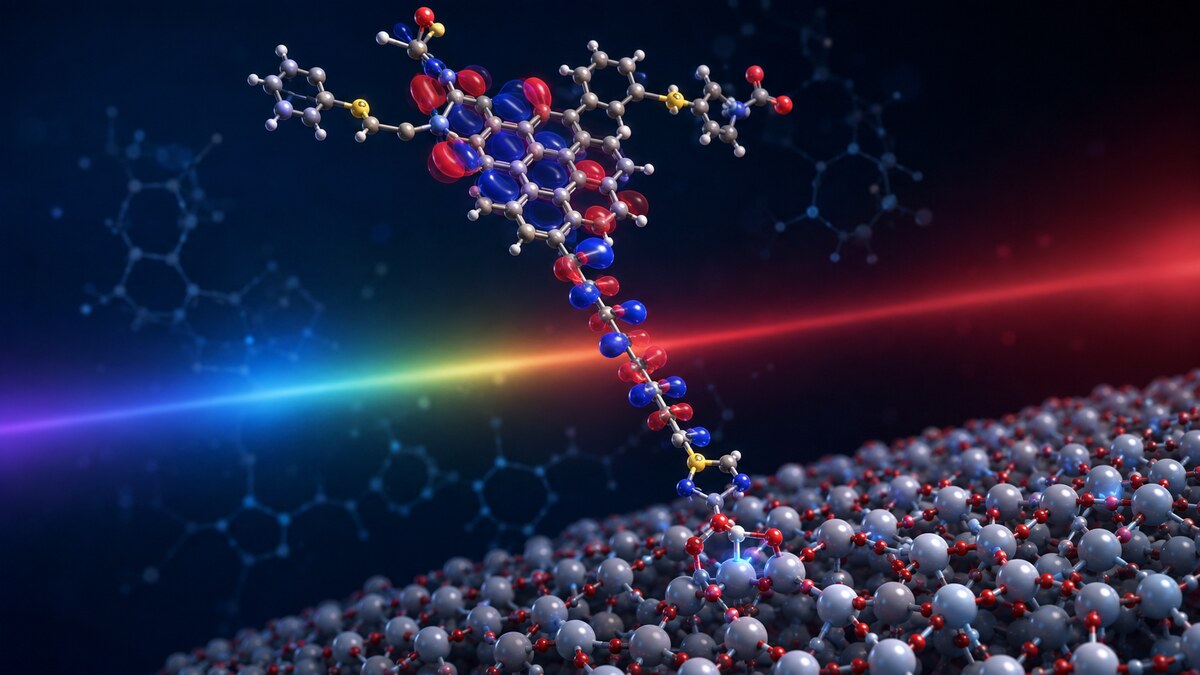
1. Panchromatic Dye Architectures for Solar Energy Conversion

Design of acene-based donors and conjugated bridges to extend molecular absorption across the visible and near-infrared regions and improve charge injection in dye-sensitized solar cells.

DFT/TD-DFTTDSSCCharge Transfer

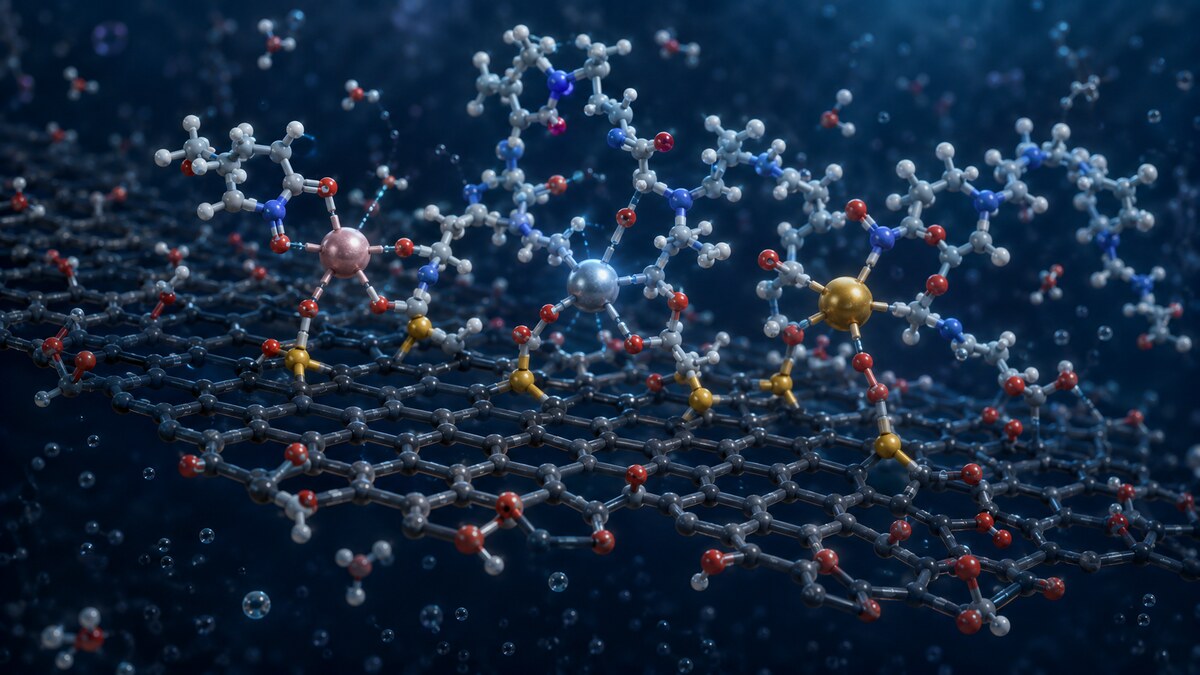
2. Palladium Nanostructures on Graphene Oxide

Electronic-structure and optical modeling of size-dependent metal–support interactions, charge transfer and spectral response in palladium–graphene oxide hybrid systems.

Periodic DFTNanocatalysisHybrid Interfaces

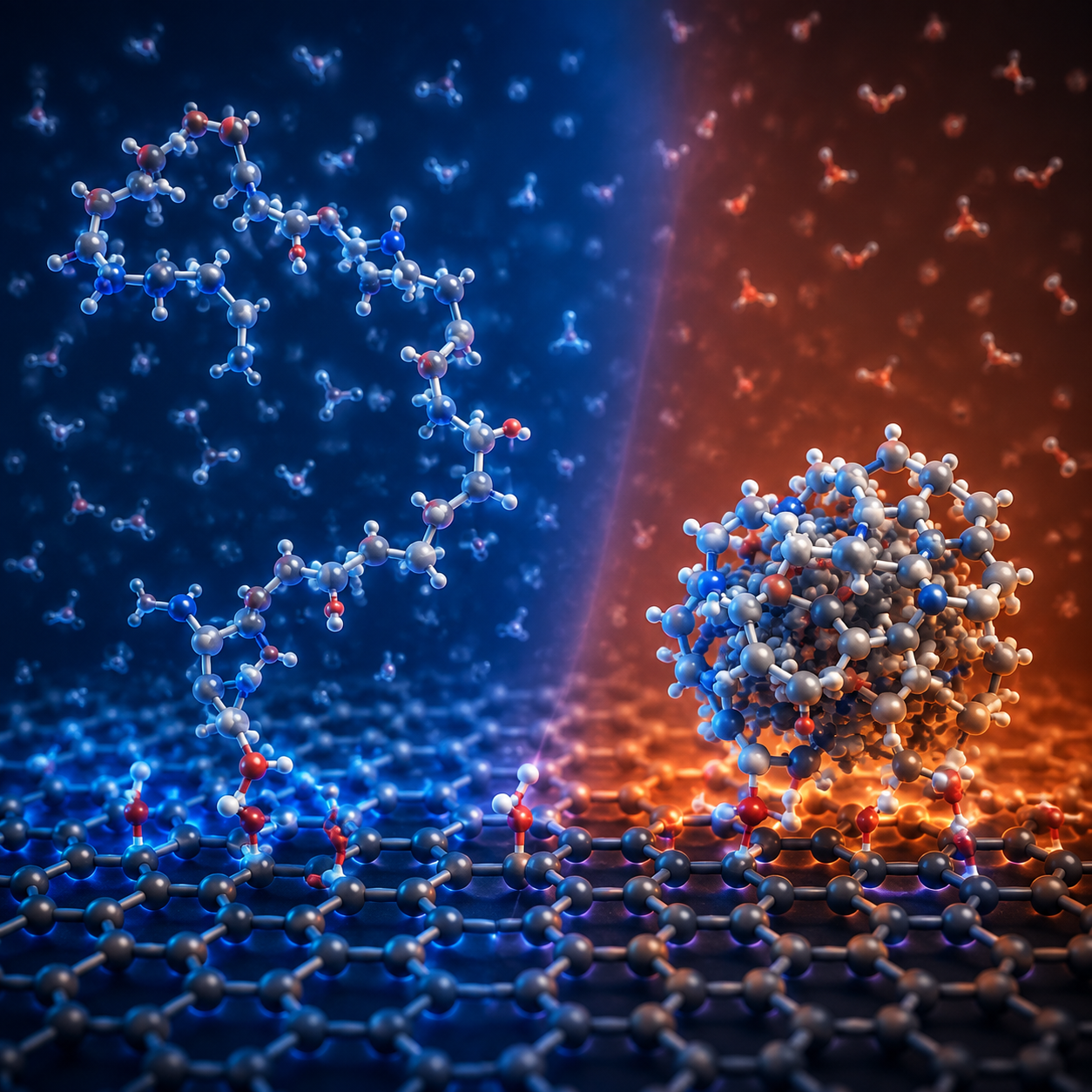
3. Thermoresponsive PAA–PNIPAM Copolymers

Molecular dynamics investigation of temperature- and protonation-dependent hydration, conformational transitions and interactions with functional surfaces.

Molecular DynamicsSmart PolymersLCST

Integrated research approach

1

Mechanistic Understanding

We connect molecular structure, dynamics and electronic properties with the mechanisms governing observable behavior.

2

Predictive Modeling

We translate computational results into experimentally testable properties, trends and working hypotheses.

3

Iterative Validation

Models and assumptions are progressively refined through comparison with available experimental evidence.

Need a tailored computational strategy?

We work with you to identify the appropriate combination of methods and tools for your scientific or industrial problem.